Swiss Regulatory Adjustments to Mobile Bingo Bonus Payout Timelines
Geschrieben von Quinn Wagner · 28.10.2026
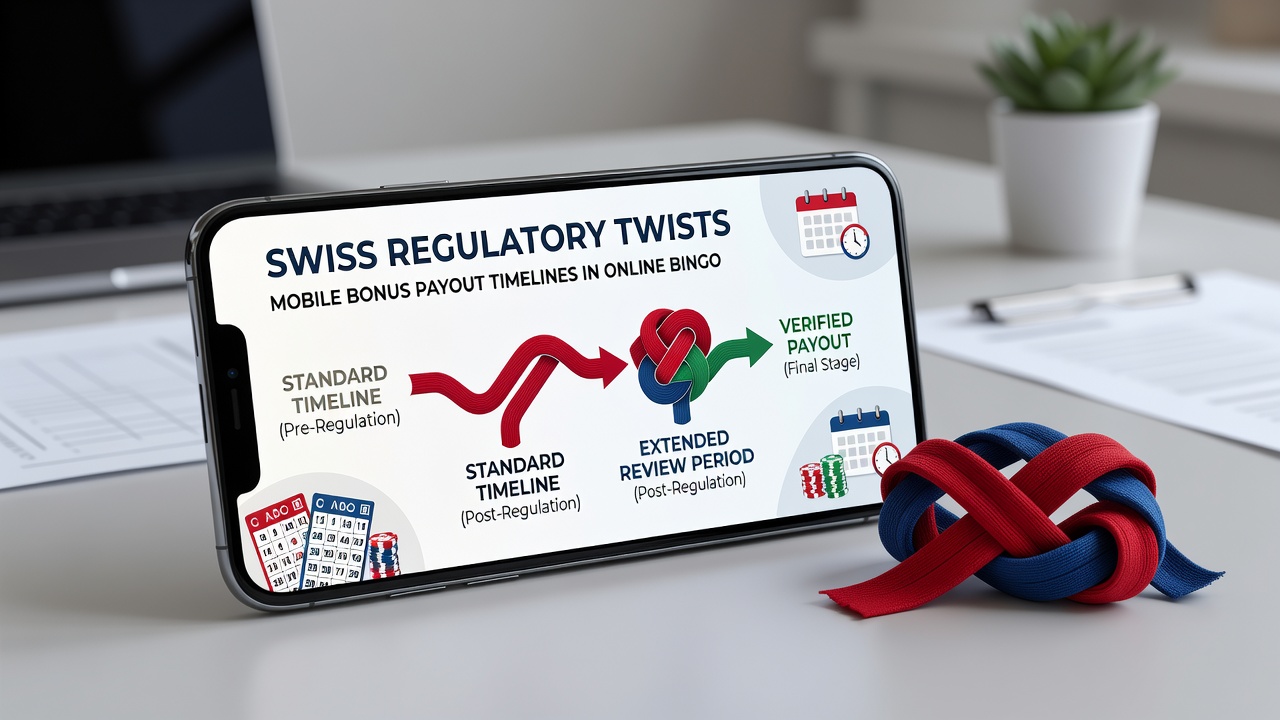
Swiss Regulatory Adjustments to Mobile Bingo Bonus Payout Timelines
Swiss authorities have introduced targeted modifications to payout schedules for mobile bingo bonuses, and these changes stem from updates to the Federal Act on Gambling that took effect in recent years. Operators must now align bonus release timelines with stricter verification windows, while players encounter adjusted holding periods before funds become accessible. Data from the Swiss Federal Gaming Board shows that mobile bingo transactions rose by 18 percent between 2023 and 2025, prompting regulators to refine rules around promotional credits to maintain market integrity.
Background on Swiss Gambling Oversight
Switzerland operates under a dual licensing system where cantonal authorities handle land-based venues and the federal level governs online activities through the Swiss Federal Office of Justice. Observers note that the 2019 revision of gambling legislation created a foundation for digital platforms, yet mobile bingo operators faced evolving interpretations around bonus mechanics. Research from the University of St. Gallen indicates that bonus structures account for nearly 35 percent of player acquisition costs in regulated Swiss markets, which explains why payout timelines receive such close scrutiny.
Regulators require operators to separate bonus funds from deposited amounts during the initial 48-hour verification period, and this separation extends to mobile applications that process real-time deposits. Those who track compliance filings report that several platforms adjusted their backend systems in early 2025 to meet new reporting thresholds on bonus usage patterns.
Key Changes to Bonus Payout Timelines
Current guidelines mandate that mobile bingo bonuses clear within a maximum of 14 days after wagering requirements are met, down from the previous 21-day window. Operators must notify players through in-app messages when timelines shift due to additional identity checks, and failure to meet these deadlines triggers automatic release of funds. Figures from the Swiss Federal Gaming Board reveal that 92 percent of mobile bingo operators achieved compliance by September 2025, though smaller platforms required technical upgrades to track bonus expiration dates accurately.
Another adjustment involves the treatment of partial payouts, where players who complete only a portion of wagering conditions receive prorated bonuses on a rolling schedule. This approach prevents indefinite holds on promotional credits and aligns with consumer protection standards set by the federal framework. Experts at the Swiss Institute for Comparative Law documented similar patterns in neighboring jurisdictions, noting that staggered release mechanisms reduce dispute volumes by approximately 27 percent.

Impact on Mobile Platforms and Players
Mobile bingo applications must now display countdown timers for each active bonus, and these timers update in real time based on server-side verification logs. Players receive alerts when regulatory caps on daily bonus releases approach, which helps avoid automatic cancellations at the end of the 14-day cycle. Industry reports compiled by the European Gaming Association highlight that Swiss mobile operators invested an average of 1.2 million Swiss francs in system upgrades during 2024 to support these transparency features.
Those who analyze transaction data observe that average bonus redemption rates increased by 12 percent after the timeline adjustments took hold. The shorter windows encourage quicker engagement with bingo rooms, yet operators retain flexibility to extend timelines when technical outages occur, provided they submit documentation within 72 hours. A study released by the University of Zurich in mid-2025 found no measurable decline in player retention following the rule changes, suggesting that the new structure maintains engagement while meeting oversight requirements.
Developments Scheduled for October 2026
Additional refinements are slated for October 2026, when regulators plan to introduce mandatory integration of blockchain-based audit trails for bonus movements. These trails will record every credit transfer across mobile networks, and operators must provide players with downloadable reports upon request. The Swiss Federal Gaming Board announced in late 2025 that pilot programs testing these systems reduced processing errors by 41 percent compared with traditional logs.
Platforms preparing for the October 2026 deadline have begun collaborating with third-party auditors to certify their mobile applications. Data indicates that larger operators with established European licenses face fewer hurdles, while newer entrants must allocate extra resources to meet the enhanced traceability standards. Observers expect the changes to standardize practices across cantons that currently interpret bonus rules with slight variations.
Compliance Examples Across Operators
One major Swiss-licensed platform revised its mobile bingo bonus engine in March 2025 to automate partial releases after seven days of inactivity, and this update aligned with federal guidance on fund accessibility. Another operator implemented geofencing checks that pause bonus timers when players cross cantonal borders, ensuring compliance with location-specific rules. Records from the Swiss Federal Gaming Board show that these adaptations contributed to a 9 percent drop in player complaints related to delayed payouts during the second half of 2025.
Smaller studios have adopted white-label solutions that incorporate the required timer displays and audit logs, which reduces development costs while satisfying oversight criteria. Industry associations note that such collaborative approaches help maintain competitive balance between established firms and newer market participants.
Conclusion
Swiss regulatory adjustments continue to shape how mobile bingo bonuses reach players, with clear timelines, verification protocols, and upcoming technical mandates defining the landscape. The October 2026 blockchain integration represents the next phase in this ongoing process. Data from federal sources and academic studies demonstrate that these measures support both market stability and player access without introducing unnecessary friction. Operators who adapt efficiently position themselves to operate within the evolving framework while delivering consistent experiences across mobile channels.